

What if I under - water a planter box?
Aug 19, 2025
Leave a message
What if I under - water a planter box? This is a question that many gardeners and plant enthusiasts, as well as those who purchase our planter boxes, often ponder. As a seasoned planter box supplier, I've seen firsthand how the watering regime can significantly impact the health and growth of plants within these containers.
Understanding the Basics of Under - watering in Planter Boxes
Planter boxes, whether they are Black Square Metal Planters or Black and Gold Metal Planter, offer a controlled environment for plants. However, this also means that the water supply is entirely dependent on the caregiver. Under - watering occurs when plants in a planter box do not receive an adequate amount of water over a period of time.
Plants rely on water for a multitude of physiological processes. Water is essential for photosynthesis, the process by which plants convert light energy into chemical energy. It also helps in the transportation of nutrients from the soil to different parts of the plant. When a planter box is under - watered, these processes are disrupted.
Signs of Under - watering
One of the most obvious signs of under - watering in a planter box is wilting. Plants will start to droop as they lose turgor pressure, which is maintained by the water within their cells. The leaves may also turn brown and crispy at the edges. In severe cases, the plant may shed its leaves in an attempt to conserve water.
Another sign is the dryness of the soil. If you stick your finger into the soil of the planter box and it feels bone - dry several inches down, it's a clear indication that the plants are not getting enough water. The growth of the plant may also slow down significantly. New leaves may be smaller than usual, and the overall plant may appear stunted.
Long - term Effects on Plants
When a planter box is consistently under - watered, the long - term effects on plants can be quite detrimental. The root system is the first to suffer. Roots need water to grow and expand. In an under - watered environment, the roots will stop growing and may even start to die back. This reduces the plant's ability to absorb nutrients and water from the soil, creating a vicious cycle.
Over time, the plant's immune system weakens. It becomes more susceptible to pests and diseases. For example, aphids are more likely to attack a stressed, under - watered plant. Fungal diseases can also take hold more easily as the plant's natural defenses are compromised.
The reproductive capacity of the plant is also affected. If a plant is struggling to survive due to lack of water, it will not have the energy to produce flowers and fruits. This is a major concern for those who grow edible plants or ornamental flowers in their planter boxes.
Factors Affecting Under - watering
Several factors can contribute to under - watering in a planter box. The type of soil used plays a crucial role. Sandy soils drain water very quickly, which means that plants in planter boxes with sandy soil may need more frequent watering. On the other hand, clay soils can hold water for longer periods, but they may also become waterlogged if not properly drained.
The size of the planter box matters as well. Smaller planter boxes have less soil volume, which means they can dry out more quickly. The location of the planter box is another factor. If it is placed in a sunny, windy spot, the water will evaporate more rapidly, increasing the risk of under - watering.
Preventing Under - watering
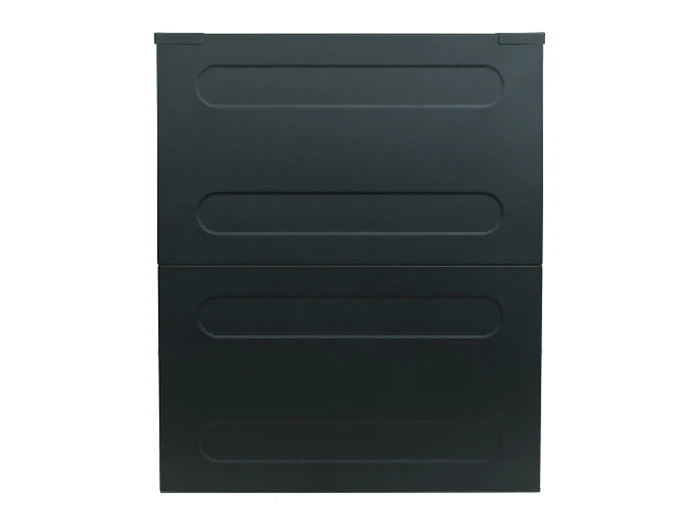
As a planter box supplier, I always recommend a few strategies to prevent under - watering. First, choose the right planter box for your plants. Consider the size and the material. Metal planter boxes, like our Black Square Metal Planters and Black and Gold Metal Planter, are durable and can retain some moisture, but they may also heat up in the sun, causing the soil to dry out faster.
Second, use a high - quality soil mix. A good potting soil should have a balance of organic matter, sand, and clay. It should be able to hold water while still allowing for proper drainage. Adding mulch to the top of the soil can also help retain moisture. Mulch acts as a barrier, reducing evaporation from the soil surface.

Establish a regular watering schedule. This may vary depending on the type of plant, the size of the planter box, and the environmental conditions. In general, it's better to water deeply and less frequently rather than giving the plants a light sprinkle every day. Deep watering encourages the roots to grow deeper into the soil, making the plant more resilient.
What to Do If You've Under - watered
If you realize that you've under - watered your planter box, don't panic. The first step is to give the plants a thorough watering. Slowly pour water into the planter box until it starts to drain out of the bottom. This ensures that the entire root system is saturated.
You may also want to consider repotting the plant if the soil has become too compacted and dry. Gently remove the plant from the planter box, loosen the roots, and place it in a new planter box with fresh soil.
Monitor the plant closely in the following days. Look for signs of recovery, such as the return of turgor pressure in the leaves. If the plant shows no signs of improvement after a few days, it may be necessary to seek advice from a local nursery or gardening expert.
The Role of Planter Box Design in Water Management
Our planter boxes, including the Black Square Metal Planters and Black and Gold Metal Planter, are designed with water management in mind. They have proper drainage holes to prevent waterlogging, which is just as important as preventing under - watering.
The material of the planter box can also affect water retention. Metal planters can conduct heat, which may increase evaporation. However, they can also be painted with heat - reflective coatings to reduce this effect. Some of our planter boxes come with built - in water reservoirs. These reservoirs can store water and slowly release it to the soil, providing a more consistent water supply to the plants.
Conclusion
In conclusion, under - watering a planter box can have serious consequences for the health and growth of plants. As a planter box supplier, I understand the importance of proper water management. By choosing the right planter box, using the appropriate soil, and following a regular watering schedule, you can ensure that your plants thrive.
If you're interested in purchasing high - quality planter boxes that are designed to support healthy plant growth, we'd love to hear from you. Whether you're a professional gardener or a hobbyist, our range of planter boxes, including the Black Square Metal Planters and Black and Gold Metal Planter, can meet your needs. Contact us to start a discussion about your planter box requirements and let's work together to create beautiful and thriving gardens.
References
- Smith, J. (2018). The Science of Plant Watering. Gardening Today, 12(3), 45 - 52.
- Johnson, A. (2019). Planter Box Design and Water Management. Horticultural Journal, 25(2), 78 - 85.
- Brown, C. (2020). How to Revive Under - watered Plants. Plant Care Weekly, 30(4), 10 - 15.