

How deep should a raised garden bed be?
Jan 21, 2026
Leave a message
When it comes to gardening, raised garden beds have become increasingly popular due to their numerous benefits, such as better soil drainage, reduced weed growth, and easier access for planting and maintenance. As a supplier of raised garden beds, I often get asked the question: "How deep should a raised garden bed be?" In this blog post, I'll explore the factors that influence the ideal depth of a raised garden bed and provide some guidelines to help you make an informed decision.
Factors Influencing the Depth of a Raised Garden Bed
Type of Plants
The type of plants you plan to grow is one of the most important factors in determining the depth of your raised garden bed. Different plants have different root systems, and some require more space to grow and thrive than others.
- Shallow-rooted plants: These include lettuce, spinach, herbs like basil and parsley, and strawberries. For these plants, a raised garden bed with a depth of 6 - 8 inches (15 - 20 cm) is usually sufficient. Their roots don't grow very deep, so they can easily access the nutrients and moisture in the top layer of soil.
- Medium-rooted plants: Vegetables such as tomatoes, peppers, cucumbers, and beans fall into this category. They typically need a raised garden bed that is 12 - 18 inches (30 - 45 cm) deep. This depth allows their roots to spread out and anchor the plants firmly, while also providing enough space for nutrient uptake.
- Deep-rooted plants: Root vegetables like carrots, parsnips, and potatoes require a deeper raised garden bed. A depth of 18 - 24 inches (45 - 60 cm) is recommended to accommodate their long taproots. This gives them enough room to grow straight and develop fully.
Soil Quality
The quality of your soil also plays a role in determining the depth of your raised garden bed. If you have poor-quality soil in your yard, such as heavy clay or sandy soil, a deeper raised garden bed can help you create a more suitable growing environment.
- Poor soil: If your soil is compacted, lacks nutrients, or has poor drainage, a raised garden bed that is 18 - 24 inches (45 - 60 cm) deep can provide a fresh start. You can fill it with a high-quality soil mix that is rich in organic matter, which will improve soil structure, fertility, and drainage.
- Good soil: If you already have well-draining, fertile soil in your yard, you may be able to get away with a shallower raised garden bed. However, even in this case, a depth of at least 12 inches (30 cm) is still recommended to provide enough space for root growth and to prevent the soil from drying out too quickly.
Climate and Watering
The climate in your area and your watering habits can also influence the depth of your raised garden bed. In hot, dry climates, a deeper raised garden bed can help retain moisture and prevent the soil from drying out too quickly. On the other hand, in areas with heavy rainfall, a shallower raised garden bed may be sufficient to ensure proper drainage.
- Hot, dry climate: If you live in a region with long, hot summers and limited rainfall, a raised garden bed that is 18 - 24 inches (45 - 60 cm) deep can help keep the soil cool and moist. The extra depth allows the soil to hold more water, reducing the frequency of watering.
- Cool, wet climate: In areas with cool, wet weather, a shallower raised garden bed of 12 - 18 inches (30 - 45 cm) may be more appropriate. This allows excess water to drain away more quickly, preventing waterlogging and root rot.
Recommended Depths for Different Types of Raised Garden Beds
Vegetable Gardens
For a vegetable garden, the ideal depth of a raised garden bed depends on the types of vegetables you plan to grow. As mentioned earlier, shallow-rooted vegetables like lettuce and herbs can be grown in a bed that is 6 - 8 inches (15 - 20 cm) deep, while medium-rooted vegetables like tomatoes and peppers require a depth of 12 - 18 inches (30 - 45 cm). For root vegetables like carrots and potatoes, a depth of 18 - 24 inches (45 - 60 cm) is recommended.
If you plan to grow a variety of vegetables in your raised garden bed, it's a good idea to choose a depth that will accommodate the deepest-rooted plants. This will ensure that all your vegetables have enough space to grow and thrive.
Flower Gardens
Flower gardens can also benefit from raised garden beds. The depth of a raised garden bed for flowers depends on the types of flowers you want to grow. Annual flowers, which have relatively shallow root systems, can be grown in a bed that is 6 - 12 inches (15 - 30 cm) deep. Perennial flowers, on the other hand, may require a deeper bed of 12 - 18 inches (30 - 45 cm) to allow their roots to establish and grow over time.
Some flowers, such as dahlias and gladiolus, have tuberous or bulbous roots that need more space to grow. For these types of flowers, a raised garden bed that is 18 - 24 inches (45 - 60 cm) deep is recommended.
Herb Gardens
Herb gardens are a popular choice for many gardeners, as they are easy to grow and can be used for cooking, medicinal purposes, or simply for their fragrance. Most herbs have shallow root systems, so a raised garden bed that is 6 - 8 inches (15 - 20 cm) deep is usually sufficient. However, some herbs, such as mint and oregano, can be invasive and may require a deeper bed or a barrier to prevent them from spreading.
Our Raised Garden Bed Options
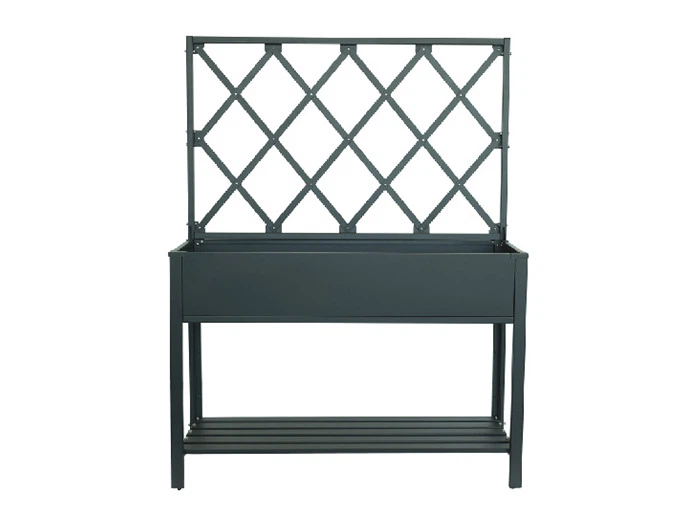
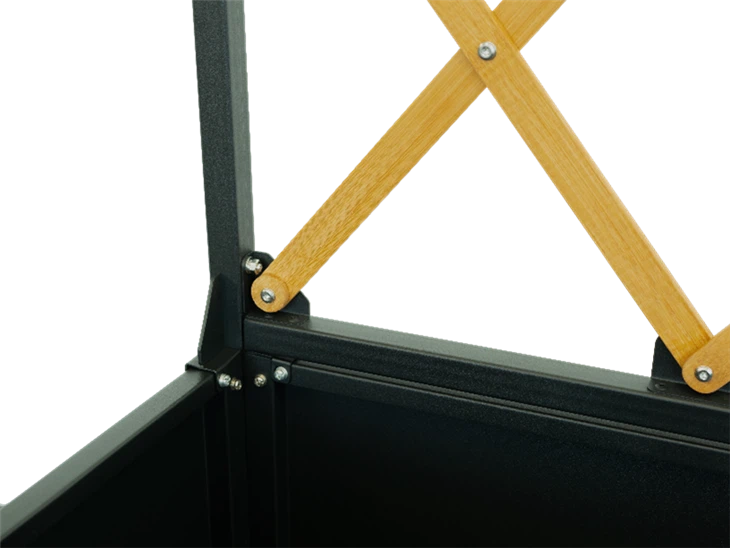
At our company, we offer a variety of raised garden beds to suit different needs and preferences. Our Metal Raised Garden Bed with Bamboo Trellis is a great option for those who want to grow climbing plants like tomatoes, cucumbers, or beans. The bamboo trellis provides support for the plants to grow vertically, maximizing space in your garden.
Our Outdoor Raised Garden Bed with Metal Trellis is another popular choice. It is made of durable metal and features a sturdy metal trellis for climbing plants. This raised garden bed is available in different sizes and depths, so you can choose the one that best suits your needs.
If you need a large raised garden bed for a bigger garden, our Large Metal Raised Garden Bed is the perfect solution. It has a spacious interior and is built to last, providing a stable and reliable growing environment for your plants.
Conclusion
In conclusion, the depth of a raised garden bed depends on several factors, including the type of plants you want to grow, the quality of your soil, and the climate in your area. By considering these factors, you can choose the right depth for your raised garden bed and ensure that your plants have the best possible growing conditions.
If you're interested in purchasing a raised garden bed, we'd love to hear from you. Our team of experts can help you choose the right product for your needs and provide you with all the information you need to get started. Contact us today to discuss your gardening requirements and start creating your dream garden!
References
- "The Vegetable Gardener's Bible" by Edward C. Smith
- "Rodale's Encyclopedia of Organic Gardening" by Fern Marshall Bradley, Barbara W. Ellis, and the Editors of Rodale Books
- "The Well-Tended Perennial Garden" by Tracy DiSabato-Aust